Watching your thyroid antibodies stay high year after year is one of the most discouraging parts of living with autoimmune thyroid disease. You do everything by the book, and yet your antibodies barely budge!
I want to explain why thyroid medication usually does not lower antibodies, why those antibodies matter even when TSH is normal, and what practical, evidence-informed steps you can take to lower TPO antibodies naturally and bring the immune response back into balance.
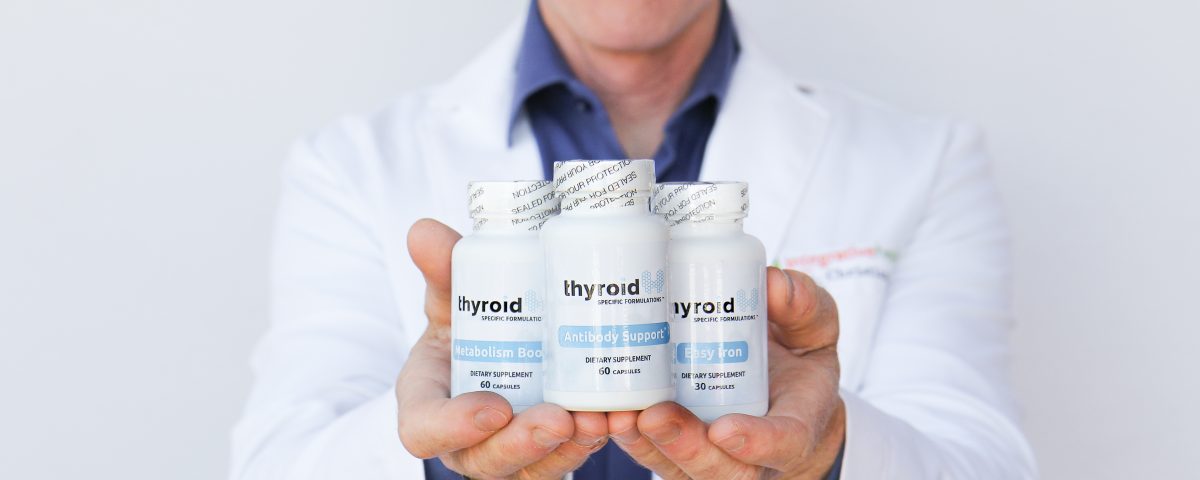
Recommended Product: Antibody Support is a doctor-formulated blend designed to supply these key nutrients. The formula focuses on helping maintain a healthy cellular environment within the thyroid by supporting antioxidant defenses, thyroid hormone–related signaling, and balanced immune activity. Click Here
Table of Contents
It helps to separate two distinct problems: low thyroid hormone and autoimmune attack. Thyroid medications like levothyroxine, desiccated thyroid (Armour), or liothyronine (Cytomel) address missing hormone. They replace or mimic T4 and T3 and normalize labs such as TSH and free T4. But thyroid antibodies are produced by the immune system, not by thyroid cells. Treating a hormone deficiency does not automatically stop the immune system from attacking the thyroid.
Does levothyroxine lower antibodies? In short, not reliably. Levothyroxine can correct hypothyroid symptoms caused by lack of hormone, but it does not directly reduce the autoimmune drivers that create thyroid antibodies.
Some studies show small declines in antibodies in specific situations, but for most people with Hashimoto’s the autoimmune response persists despite normal TSH and replacement therapy. In some cases, replacing hormones can even mask ongoing inflammation while leaving the immune problem untouched.
There’s no data suggesting that this is radically different for other types of thyroid medications. Natural desiccated thyroid or T3 are also not expected to reliably lower thyroid antibodies.
Many people with Hashimoto’s have normal thyroid function for years. Autoimmunity often precedes thyroid failure. You can have a perfectly normal TSH, normal free T4 and free T3, and still have significant fatigue, brain fog, aches, or mood changes — and the reason is often the chronic inflammatory stress produced by the immune response.
Think of autoimmunity like a bully at school stealing the sense of safety, rather than a kid missing lunch. Giving more lunch won’t stop the bully. Similarly, adding hormone when thyroid antibody levels are high may improve some lab numbers or symptoms caused by low hormone, but it doesn’t address the inflammatory process that is the real driver of many symptoms.
The autoimmune reaction in Hashimoto’s is not random. It has identifiable, often controllable drivers:
Key insight: Thyroid medications like levothyroxine treat hormone deficiency and normalize TSH, but they do not reliably stop the immune attack that produces thyroid antibodies. Antibodies matter even when TSH is normal because the chronic inflammatory state they indicate is often the real driver of symptoms like fatigue, brain fog, and pain, which are independent of hormone levels.
Iodine is essential to thyroid hormone synthesis, but too much iodine can be a problem for susceptible people. Excess iodine can increase peroxidation reactions in the gland and lead to more hydrogen peroxide generation, which in turn increases oxidative damage and exposes thyroid proteins to immune recognition. That is why iodine and Hashimoto’s flare ups are often linked.
Balancing iodine intake is a cornerstone of lowering thyroid antibodies naturally. For most people with autoimmune thyroid disease I recommend keeping total iodine intake between about 50 to 200 micrograms per day, and sometimes lower during an active healing phase. This includes iodine from all sources: diet, supplements, fortified foods, and medications that contain iodine atoms (thyroid hormone itself contains iodine).
Selenium is a critical antioxidant for the thyroid. It is a component of glutathione peroxidase and iodothyronine deiodinase, enzymes that protect thyroid tissue and help convert T4 to T3. Many clinical studies have shown that appropriate selenium supplementation can lower thyroid peroxidase antibodies and improve the autoimmune response.
But selenium has a window of benefit. More is not always better. A practical range for many people is about 50 to 200 or 300 micrograms per day, commonly settling around 100 to 200 mcg. I emphasize cautious dosing because excess selenium can cause issues and supplement formulations vary. Hidden selenium overdose is most often from taking multiple supplements that each contain selenium or from poorly labeled products.
Below is a step-by-step plan focused on the most impactful, evidence-based measures to lower thyroid antibodies and reduce autoimmune inflammation.
Immune modulation plays a central role in lowering thyroid antibodies. Several natural approaches can shift immune signals toward tolerance. Consider botanicals with evidence for immune modulation. Nigella sativa (black seed) has been shown to influence TH17/T Reg balance and reduce inflammatory markers in some studies. Use under guidance and check for interactions.
Key insight: To naturally lower TPO antibodies, practical steps include balancing iodine intake (aiming for roughly 50–200 mcg/day), thoughtfully supplementing with selenium (50–200 mcg/day), supporting antioxidants, and correcting immune-regulating nutrient deficiencies.
A few frequent pitfalls derail progress:
People often ask why they still feel tired or sluggish when TSH is normal. The answer is frequently the chronic inflammatory state produced by autoimmunity. That immune activation causes systemic effects, fatigue, brain fog, pain, mood changes, independent of thyroid hormone levels. Lowering thyroid antibodies and calming immune inflammation can dramatically improve these symptoms, even when thyroid labs were “normal” from the start.
Here is a concise, actionable checklist you can start using today to lower thyroid antibodies naturally:
Thyroid antibodies persist because there are underlying, often modifiable factors keeping the immune system activated. Medication treats a hormone problem but generally does not correct the immune drivers that cause thyroid peroxidase antibodies or thyroglobulin antibodies. If your goal is to lower TPO antibodies naturally and reduce autoimmune inflammation, focus on balancing iodine intake, using selenium for thyroid support within a safe window, reducing oxidative stress, rebalancing immune signals, and identifying hidden triggers.
It takes time and careful monitoring, but many people see meaningful reductions in antibodies and improvements in symptoms when they treat the immune problem directly rather than relying solely on thyroid medication. Work with a knowledgeable clinician, track the right labs, and use a conservative, targeted approach to nutrients and supplements. That is how you begin to move from surviving symptoms to restoring immune balance and real health.

P.S. Whenever you are ready, here is how I can help you now:
Dr. Alan Glen Christianson (Dr. C) is a Naturopathic Endocrinologist and the author of The NY Times bestselling Hormone Healing Cookbook, The Metabolism Reset Diet, and The Thyroid Reset Diet.
Dr. C’s gift for figuring out what works has helped hundreds of thousands reverse thyroid disease, heal their adrenals, and lose weight naturally. Learn more about the surprising story that started his quest.