If you have thyroid disease, you have probably been told to avoid certain foods, especially carbohydrates. And yes, carbs can be a problem for some people. But there is a specific twist that flips the script: the potato hack, built around resistant starch. This is one of the few dietary strategies that can help with weight loss efforts while also supporting blood sugar regulation, gut health, and appetite control.
Let’s break down what’s really going on, why potatoes can be surprisingly helpful when prepared correctly, and what to do if you do not want to eat potatoes because of nightshade sensitivity or simply because you are short on time.
Recommended Product: RS Complete is a clean, reliable way to get a precise daily dose of Type II resistant starch—without excess carbs, kitchen prep, or guesswork. Each scoop delivers 4 grams of standardized RS from high-quality plant sources, formulated to be gentle on sensitive guts. Click Here
Table of Contents
Carbohydrates are digested and absorbed in the stomach and small intestine. The issue is not that carbohydrates exist, it is how quickly they enter the bloodstream. When carbs are absorbed rapidly, you can get a faster rise in blood sugar, which triggers more insulin. Higher insulin can push your body toward storage mode, and for some people it also increases cravings. Over time, frequent insulin spikes can contribute to insulin resistance and, in worse cases, type 2 diabetes.
So the logic behind carb avoidance makes sense. Eat less, absorb less quickly, and insulin might stay lower. But there is a drawback. When you remove too many carbohydrate foods, you can also reduce the foods that feed beneficial gut microbes. Altered gut flora can paradoxically worsen blood sugar regulation, making weight management harder even if you are eating “clean.”
That leads to the real question: Can you get the benefits of starchy foods without the blood sugar roller coaster?
Resistant starch is the connection. It behaves differently than typical carbohydrates. It is not really a carbohydrate in the way your body digests it, and it is not the same as fiber either. Resistant starch is a kind of starch that resists digestion. That resistance slows how much it is absorbed in the upper gut, which changes the metabolic story.
In simple terms, resistant starch gets closer to a “best of both worlds” outcome: it can support the gut and steady blood sugar response without hitting you with the rapid absorption that often drives insulin higher.
––Key takeaways: Resistant starch (RS) is a unique starch that resists digestion, avoiding the rapid absorption that causes insulin spikes. It helps steady blood sugar and supports gut health, offering benefits without the drawbacks of high-carb foods.
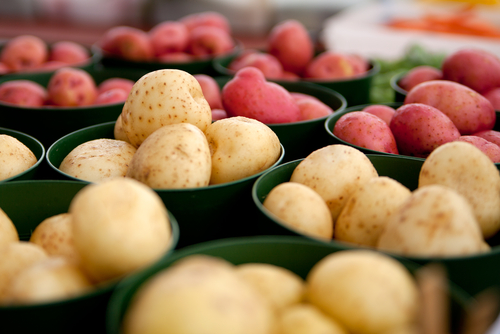
Many foods contain resistant starch, but a few stand out. Potatoes are one of the top sources. Also, legumes can be very helpful, especially white beans.
Legume categories matter because not all beans have the same density of resistant starch. White beans tend to be richer, including:
Bananas and plantains are another major source, with an important caveat. Resistant starch is densest in bananas and plantains when they are not ripe. In other words, the less sweet, firmer ones tend to be more useful for this purpose.
One surprising note: the banana skin itself is especially dense in resistant starch. That does not mean it is a good idea to eat peels. The practical takeaway is that the food characteristics that correlate with resistant starch are not the same as what you would treat as “food flavor” or “dessert sweetness.”
A common question is what about sweet potatoes, yams, and other orange tubers? They are excellent foods for health. They provide carotenoids and are also unusually rich in vitamin E for a lower-fat food.
But they are not particularly high in resistant starch. Even though we call them “potatoes,” they come from a different plant genus than regular potatoes, and that matters for starch behavior. So sweet potatoes are nutritious, but they are not the same tool for the resistant starch strategy.
The “potato hack” is not just eating potatoes. It is how you prepare them.
Raw potatoes contain resistant starch, but humans cannot digest raw potato starch well, so it is not a practical eating method. The cooking process changes resistant starch levels. In general, the more aggressively potatoes are cooked (higher temperature for a longer time, like baking or frying), the more resistant starch degrades.
The approach is straightforward:
Boiling helps because you cannot exceed the temperature of boiling water, which caps the cooking heat. Cooling then triggers a process called retrogranulation. In plain language, cooling and chilling can cause resistant starch to form in a more gel-like form.
And here’s the best part: you do not lose the gains when you reheat. Warm the potatoes later and you can still keep the resistant starch benefit. Many people even build in cycles by cooling, reheating, and cooling again, which can increase the resistant starch effect further.
If you have ever noticed a slightly different texture on chilled potatoes, that is the resistant starch gel forming.
––Key takeaways: Key RS sources include potatoes, white beans, and unripe bananas. The “potato hack” means boiling potatoes and then cooling them (retrogranulation) to maximize RS levels, a benefit that is preserved even when reheated.
Potatoes are a nightshade plant, and that is where concerns often begin. Some nightshades are toxic, and there are definitely harmful compounds in certain forms of potatoes.
The key issue is not that all nightshades are identical. There are both safe and unsafe varieties in the nightshade family. For potatoes, the compounds that matter most for risk are higher when potatoes are green, have sprouts, or have obvious damage like green spots. Green potatoes indicate increased alkaloids.
If your potatoes are green or sprouting, do not eat them. If you have nightshade sensitivity, that is also a personal factor. Avoiding nightshades can be totally valid if your symptoms flare with them.
So yes, there can be concerns. But there is also a practical way to manage them: use sound food handling, and if potatoes do not work for you, use alternatives that still provide resistant starch.
There is a reason resistant starch became a “real” therapeutic tool rather than just a gut health trend. Researchers initially developed purified resistant starch for rare medical conditions involving glucose storage.
One example is called a glycogen storage defect, where some people cannot store glucose well. The result can be dangerously unstable blood sugar, sometimes requiring people to eat extremely frequently.
Purified resistant starch was studied because it can support steadier blood sugar for hours. That steadiness matters for weight management because it influences insulin, hunger, and your body’s tendency to store energy.
These prescription products were designed to deliver consistent resistant starch doses. Some of them are not widely available because the condition is rare and the products can be costly.
At this point supplements may seem like an easy solution but many products marketed as potato starch or resistant starch are not well standardized. Batch-to-batch variability is real, and it can affect results.
One strategy for consistency is a blend built to be standardized, like RS Complete. The idea is to combine sources such as potato starch (with resistant starch as the active target) plus other resistant starch components like green banana flour. The goal is reliable dosing.
In practical terms, RS Complete is designed to provide at least 5 grams of resistant starch per serving. Many of the strongest studies and outcomes tend to fall in the 5 to 10 gram range for noticeable effects.
If you get resistant starch from food, you can still reach that range. It is just harder to make it consistent day-to-day. And for people with thyroid weight loss goals, consistency often matters because it influences appetite control and the daily rhythm of insulin.
There is also a trade-off. Using purified resistant starch means you are not getting the full range of nutrients that come with eating potatoes or beans. But you can gain reliability and reduce concerns about alkaloids, because the supplement process filters out the compounds you would rather avoid.
RS Complete is a flavorless powder. A practical way to use it is to mix it into a warm broth (like vegetable broth or beef broth) for a filling, comforting drink. It also blends easily into water or can be added to smoothies.For mixing, a common guideline is around four ounces of water so it stirs well.
––Key takeaways: Manage nightshade risk by avoiding green or sprouting potatoes, or by using alternatives. Standardized supplements, like RS Complete, provide a reliable 5-10 gram dose of purified RS, avoiding the variability of food prep and eliminating concerns about potato alkaloids.
One of the most practical takeaways is when to use resistant starch. There seems to be a window early in the day, especially in the first hour or so after waking. Your body sets the stage for how it regulates blood sugar for the rest of the day.
If you take resistant starch in that early window, you may see steadier insulin levels throughout the day, which can support thyroid weight loss goals by improving metabolic conditions rather than just cutting food.
If potatoes work for you, the potato hack is simple: boil them, cool them, and then eat them chilled or rewarm them. This preserves and can increase resistant starch through retrogranulation.
If potatoes do not work because of nightshade sensitivity, or you just want a consistent dose without the prep, consider a standardized approach like RS Complete. It targets resistant starch directly and keeps dosing predictable.
Either way, the core idea is the same: you are not trying to eliminate carbohydrates. You are choosing the form of starch that helps your body regulate blood sugar and metabolism with less “storage-mode” pressure.
For people dealing with thyroid disease, that shift can be meaningful. Simple food choices, prepared correctly or dosed consistently, can become a safe, effective support strategy for weight loss.

P.S. Whenever you are ready, here is how I can help you now:
Dr. Alan Glen Christianson (Dr. C) is a Naturopathic Endocrinologist and the author of The NY Times bestselling Hormone Healing Cookbook, The Metabolism Reset Diet, and The Thyroid Reset Diet.
Dr. C’s gift for figuring out what works has helped hundreds of thousands reverse thyroid disease, heal their adrenals, and lose weight naturally. Learn more about the surprising story that started his quest.