You feel wired at night, but drained during the day. Your afternoon energy collapses. You crave something sweet after meals even when you are not truly hungry. These symptoms may seem unrelated, yet they often trace back to one overlooked issue: a disrupted cortisol rhythm.
Believe it or not, good carbs can be part of the solution. In many cases, restoring steady energy and deeper sleep is less about eliminating carbohydrates and more about timing them strategically.
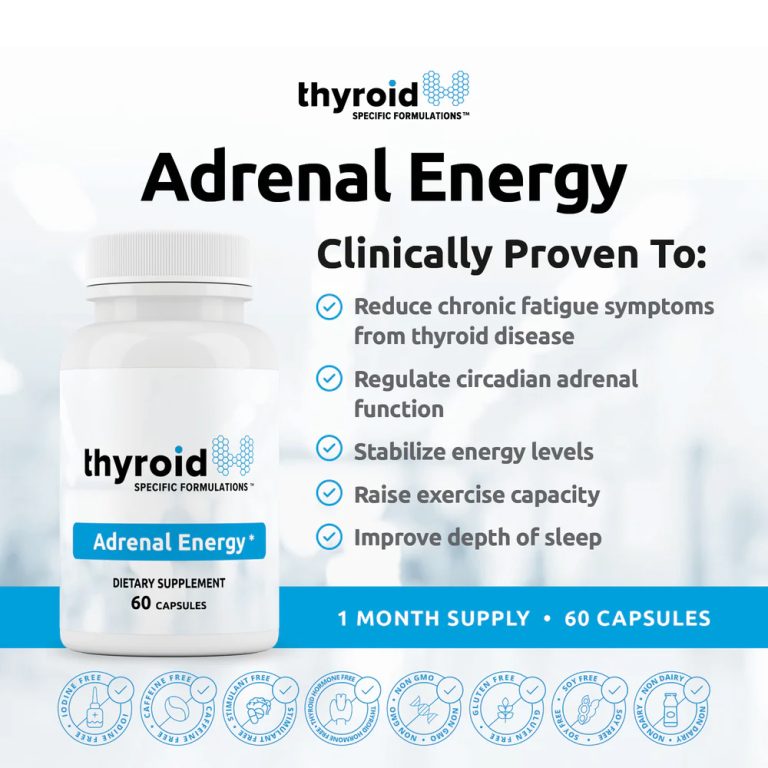
Recommended Product: Adrenal Energy is a science-backed solution specifically formulated to combat fatigue caused by thyroid disease. This powerful blend of clinically proven ingredients targets the root causes of your exhaustion, helping you feel revitalized and ready to take on the day. Click Here
Table of Contents
Cortisol is produced by the adrenal glands and plays multiple roles: regulating blood sugar, balancing electrolytes, controlling inflammation, and coordinating other hormones. One of its most important functions is setting the body’s circadian biology. A healthy cortisol rhythm looks like a morning peak, your internal coffee machine, followed by a gradual decline. This ensures cortisol is low at night and melatonin can rise to promote sleep.
When that rhythm is off, symptoms tend to follow a daily pattern. You might feel energetic when you should be tired, or suddenly exhausted in the afternoon. You might notice hunger and sugar cravings after meals, or wake up at 2–3 a.m. and stay awake. Those predictable daily highs and lows are a hallmark of adrenal dysfunction. This is not because the adrenals are destroyed, but because the system that times them is dysregulated.
––Key Insights: When carbohydrate intake is chronically low, the body relies on gluconeogenesis to maintain blood sugar, a process that elevates cortisol. Elevated cortisol, especially at night, blunts melatonin, disrupts circadian biology, and interferes with sleep.
Because cortisol is a glucocorticoid, one of its primary jobs is to keep blood sugar steady. The body can source glucose from dietary carbohydrate, stored glycogen, or by breaking down protein into glucose through gluconeogenesis. When carbohydrate intake is chronically low, common in ketogenic or very low-carb diets, glycogen stores remain low and the body relies on gluconeogenesis to maintain blood sugar. That process elevates cortisol. Click here to learn more about the importance of carbs.
Elevated cortisol in itself is a stress signal. If it happens during the day it taxes the body; if it happens at night it interferes with sleep. Nighttime cortisol spikes blunt melatonin production, leaving you awake at night and disrupting the circadian biology that governs repair, hormone production, and metabolism.
One practical approach to protect the cortisol rhythm without necessarily increasing total daily calories is carbohydrate backloading. The idea is simple: if you eat fewer carbs early in the day and concentrate most of your carbohydrate intake in the evening, you give your body the glucose signal it needs to lower cortisol at night and allow melatonin to rise. Multiple studies show that shifting the same amount of carbohydrate to the evening can improve sleep, lower nighttime cortisol, and even influence weight and blood sugar control.
This does not mean you should eat refined sugar late at night. The goal is to provide steady, nutrient-dense carbohydrates, think sweet potato, squash, rice, or fruit, paired with protein and healthy fats to stabilize blood sugar and reduce stress on the adrenal system. For many people who thrive on lower-carb eating during the day, this is an easy compromise: prioritizing carbohydrates at dinner or an evening snack can prevent nighttime cortisol spikes without undoing daytime metabolic benefits.
Watch for symptoms that follow a daily pattern. Typical signs that your cortisol rhythm may need attention include:
When symptoms have a rhythm, appearing at similar times each day, the link to adrenal health and circadian biology is especially likely.
––Key Insights: Signs of a disrupted cortisol rhythm often follow a daily pattern, including mid-afternoon crashes, waking up alert or anxious around 2–3 a.m., strong carb cravings after meals, and feeling wired in the evening despite daytime fatigue.
Blood tests are useful for diagnosing rare adrenal diseases, but they are not practical for assessing the day-night pattern because you cannot draw blood at regular nighttime intervals. Salivary cortisol testing is the preferred method for evaluating the cortisol rhythm, as it allows for multiple samples across the day and night to see whether cortisol peaks and falls appropriately.
If testing is not immediately available, you can still make data-informed changes using symptom tracking and a simple dietary experiment: shift more of your carbohydrate intake to the evening for a few weeks and note improvements in sleep, cravings, and daytime energy.
The interplay between stress, diet, and circadian biology is powerful. Chronic stress and low-carbohydrate eating can both push cortisol into patterns that undermine sleep, mood, and metabolic health. A targeted approach, using carbohydrate backloading, better light habits, and balanced meals, can restore the cortisol rhythm and reduce nighttime cortisol spikes. Small changes in timing often produce outsized benefits: fewer episodes of being awake at night, fewer afternoon crashes, and a smoother, more predictable energy curve through the day.
If you want a structured place to start, consider tracking your symptoms in relation to meal timing and trying an evening-focused carbohydrate shift for several weeks. You may be surprised how much restoring the cortisol rhythm can improve sleep, cravings, and overall resilience to stress.

P.S. Whenever you are ready, here is how I can help you now:
Dr. Alan Glen Christianson (Dr. C) is a Naturopathic Endocrinologist and the author of The NY Times bestselling Hormone Healing Cookbook, The Metabolism Reset Diet, and The Thyroid Reset Diet.
Dr. C’s gift for figuring out what works has helped hundreds of thousands reverse thyroid disease, heal their adrenals, and lose weight naturally. Learn more about the surprising story that started his quest.