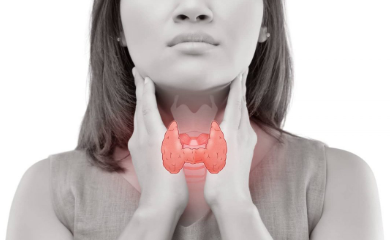
A small, monthly habit that takes under two minutes can make a real difference. A simple thyroid self-exam helps with early detection of thyroid nodules and plays a role in thyroid cancer prevention.
Thyroid nodules are common, estimates say your chance of having one roughly equals your age as a percent (so a 50-year-old might have about a 50% chance). Most nodules are harmless, but about 3 to 7 percent can be cancerous. Knowing how to check thyroid at home gives you power to notice change early.
Recommended Product: Thyroid Daily formula is designed to work seamlessly with other products from Thyroid Specific Formulations. You can rest assured knowing our products won’t have conflicting or redundant ingredients, maximizing their effectiveness. Click Here
Table of Contents
Thyroid cancer is one of the fastest-rising cancers among women. Many people discover a concerning nodule themselves, not through blood tests or symptoms, and sometimes not even because a doctor noticed it. A monthly thyroid self-exam is like a routine health check: it builds tactile familiarity so you’ll recognize new lumps, asymmetry, or changes in texture or tenderness.
You don’t need to be an expert. The goal is not to diagnose or to know exactly what a nodule should feel like. The goal is to know what’s normal for your neck so you can spot what’s different.
––Key Takeaways: A simple, monthly, two-minute thyroid self-exam is a vital step for early detection of thyroid nodules and cancer prevention.The goal is not to diagnose, but to build tactile familiarity with your neck’s normal feel so you can spot new lumps or changes in texture and symmetry.
That’s it. No special tools, no medical training. This makes the thyroid exam steps easy to integrate into a monthly routine, right after a breast self-exam if you already do that.
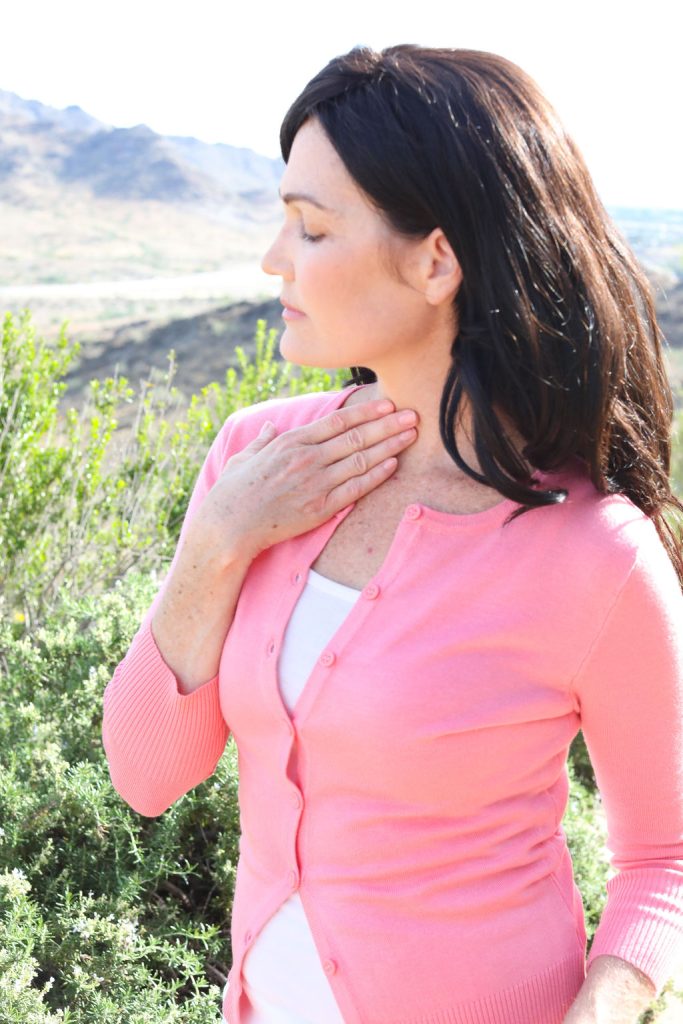
This is the tactile part of the thyroid self-exam, using your fingertips to search for anything that feels unusual.
Signs to notice during the palpation: a distinct lump or nodule, a tender or painful area, something that seems to move oddly under the skin, or marked asymmetry between the left and right sides. Most importantly, note anything that wasn’t there last month.
Watching while you swallow helps reveal lumps that are otherwise hidden. Swallowing pushes the larynx and surrounding tissues outward and can make a nodule more visible.
Between palpation and the neck lump check during swallowing, you’ll catch most changes that matter.
Most thyroid nodules are benign, but certain signs should prompt medical evaluation:
If you notice any of these signs during your thyroid self-exam, contact your healthcare provider. They can perform a targeted exam, order imaging, or recommend further steps like ultrasound and fine-needle aspiration if indicated.
Key Takeaways: The self-exam involves two steps: Palpation (gently feeling the neck for lumps, tenderness, or asymmetry) and Visualization (watching for bulges while swallowing water).Seek medical evaluation if you find a new or quickly growing lump, persistent pain, difficulty swallowing/breathing, or lasting voice changes.
It’s reasonable to consult your doctor if you find anything new, concerning, or painful. It’s also okay to bring up your first few self-exams: tactile memory improves with practice, and sometimes the first time you’ll feel things that are normal. A clinician can help confirm whether what you’re feeling is benign or needs follow-up.
Early detection is a key part of thyroid cancer prevention because smaller, early-stage nodules are often managed effectively. If a nodule requires treatment, catching it earlier usually means more options and better outcomes.
The easiest way to stick with a thyroid self-exam is to schedule it. Do it once a month. Many people pick the first day of the month or align it with another monthly check like a breast self-exam. Set a phone reminder or tie it to a calendar routine. Over time, your hands and eyes will learn the normal feel and appearance of your neck and you’ll be quicker at spotting change.
Many people who adopt this simple routine report catching abnormalities they otherwise would have missed. A regular check is a low-cost, low-effort practice that fits neatly into natural thyroid care and general personal health habits.

P.S. Whenever you are ready, here is how I can help you now:
Dr. Alan Glen Christianson (Dr. C) is a Naturopathic Endocrinologist and the author of The NY Times bestselling Hormone Healing Cookbook, The Metabolism Reset Diet, and The Thyroid Reset Diet.
Dr. C’s gift for figuring out what works has helped hundreds of thousands reverse thyroid disease, heal their adrenals, and lose weight naturally. Learn more about the surprising story that started his quest.