Here’s the uncomfortable truth: for many people, this isn’t primarily a “bad medication” problem. It is usually a dose stability problem, and more specifically, a problem rooted in the T4 to T3 ratio and how your body processes it.
Let’s break down what’s really going on, why potatoes can be surprisingly helpful when prepared correctly, and what to do if you do not want to eat potatoes because of nightshade sensitivity or simply because you are short on time.
You’re taking thyroid medication, your blood tests look normal, but you still feel exhausted, fuzzy-headed, and your hair is thinning. If that sounds familiar, the problem isn’t always the dose or the type of medicine. One of the most overlooked reasons for thyroid medication not working is too much iodine in your system. This can cause thyroid cellular resistance so the hormones never reach their full effect inside your cells.
You feel wired at night but drained during the day. Your afternoon energy collapses. You crave something sweet after meals even when you are not truly hungry. These symptoms may seem unrelated, yet they often trace back to one overlooked issue: a disrupted cortisol rhythm.
Believe it or not, good carbs can be part of the solution. In many cases, restoring steady energy and deeper sleep is less about eliminating carbohydrates and more about timing them strategically.
If you’ve been "doing everything right: taking your meds, cleaning up your diet, and tracking your labs, yet you still struggle with unstable thyroid levels or crashing fatigue, the problem might not be your thyroid at all. It might be your stomach.
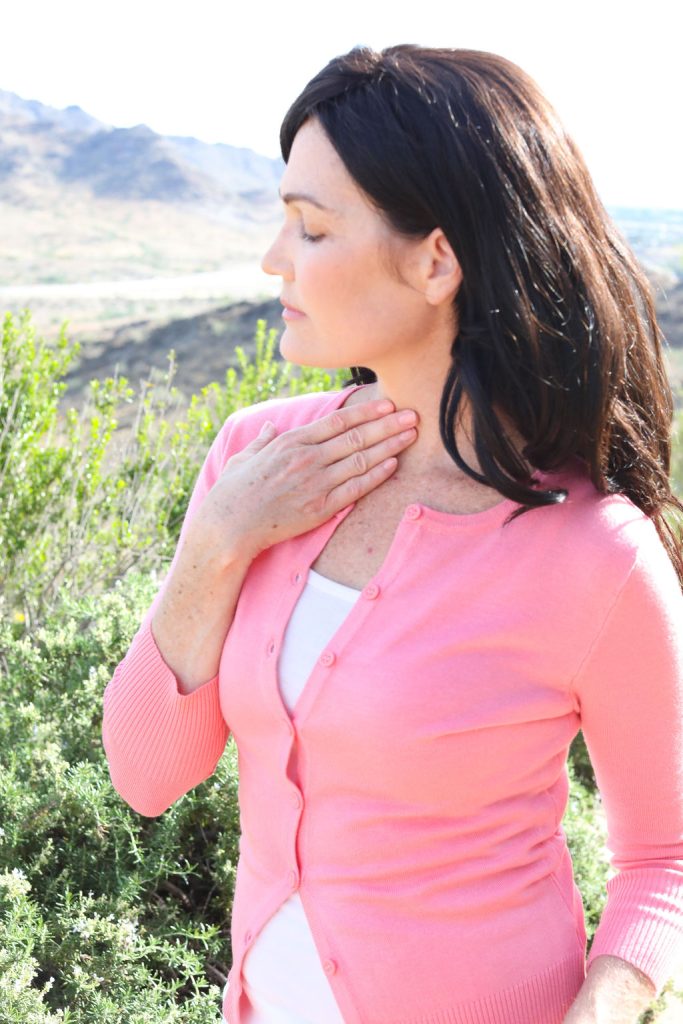
A small, monthly habit that takes under two minutes can make a real difference. A simple thyroid self-exam helps with early detection of thyroid nodules and plays a role in thyroid cancer prevention.
Thyroid nodules are common, estimates say your chance of having one roughly equals your age as a percent (so a 50-year-old might have about a 50% chance). Most nodules are harmless, but about 3 to 7 percent can be cancerous. Knowing how to check thyroid at home gives you power to notice change early.
Is "watch and wait" stressing you out? Discover a 3-step evidence-based protocol to help shrink thyroid nodules by addressing insulin, optimizing iodine intake, and using targeted nutraceuticals.
Do your thyroid labs look normal, but you still feel exhausted? Discover the 7 "thyroid imposters"—from low iron to adrenal issues—that mimic hypothyroidism.
Does raising your T3 feel good at first, then lead to anxiety and crashes? Learn why low T3 is often an adaptive response by the body and why forcing it higher can cause thyroid resistance and long-term health risks.
T2 supplements are marketed for weight loss, but are they safe? Dr. Alan Christianson explains why T2 causes heart damage and cannot be safely monitored.