Most people have heard some version of the same message: iodine is good for the thyroid, so more must be better. That sounds reasonable on the surface, but for many people with thyroid disease, it is exactly where trouble begins.
If you have thyroid disease and you’re losing hair, one of the biggest mistakes is assuming all thyroid hair loss is the same. It isn’t. That matters because thyroid hair loss can show up in at least three very different ways, and each one has a different cause, a different pattern, and a different solution. If you treat the wrong type with the wrong strategy, it’s easy to spend months frustrated while the shedding, thinning, or patchiness keeps getting worse.
One of the most surprising things modern research has shown is this: a lot of people taking thyroid medication may never have needed it in the first place.
If you’ve got thyroid disease, you’ve probably run into the same warnings again and again: avoid gluten, avoid dairy, and your thyroid will (hopefully) calm down.
If you have had a thyroidectomy, you have probably been told something like: as long as your TSH is normal and you take your medication, you will feel fine. And to be clear, that is the goal.
You’re taking thyroid medication, your blood tests look normal, but you still feel exhausted, fuzzy-headed, and your hair is thinning. If that sounds familiar, the problem isn’t always the dose or the type of medicine. One of the most overlooked reasons for thyroid medication not working is too much iodine in your system. This can cause thyroid cellular resistance so the hormones never reach their full effect inside your cells.
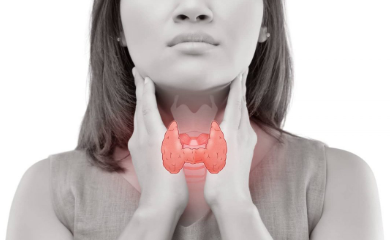
A small, monthly habit that takes under two minutes can make a real difference. A simple thyroid self-exam helps with early detection of thyroid nodules and plays a role in thyroid cancer prevention.
Thyroid nodules are common, estimates say your chance of having one roughly equals your age as a percent (so a 50-year-old might have about a 50% chance). Most nodules are harmless, but about 3 to 7 percent can be cancerous. Knowing how to check thyroid at home gives you power to notice change early.
Is "watch and wait" stressing you out? Discover a 3-step evidence-based protocol to help shrink thyroid nodules by addressing insulin, optimizing iodine intake, and using targeted nutraceuticals.
Do your thyroid labs look normal, but you still feel exhausted? Discover the 7 "thyroid imposters"—from low iron to adrenal issues—that mimic hypothyroidism.
Medication replaces hormones but ignores the immune attack. Dr. Christianson explains why antibodies stay high and how iodine regulation and selenium can help.